
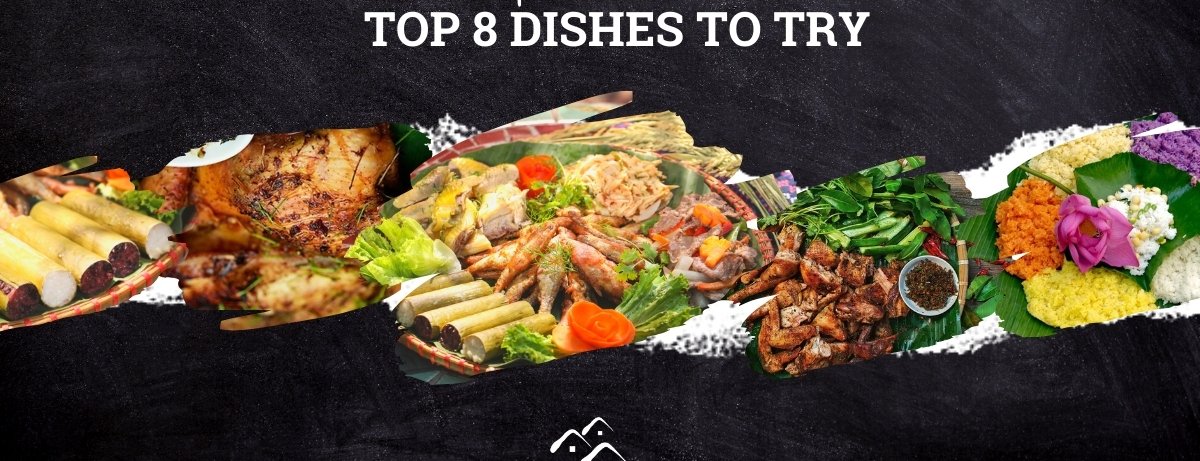
Try Mai Chau Specialties. Discover the Authentic Flavors That Define a Valley's Heritage
Mai Chau isn't just a destination for its dramatic karst landscape—it's a gastronomic sanctuary where food tells the story of generations. Every specialty that emerges from this valley is rooted in tradition, crafted with ingredients from the surrounding fields, and prepared with techniques passed down through families. To truly experience Mai Chau, you must taste it.
The Thai ethnic minority communities have perfected the art of cooking with what the land provides. Rice paddies yield sticky rice and rice wine. Villages raise free-roaming chickens and fish in mountain streams. Mountain forests provide wild herbs and jungle treasures. This is farm-to-table before it was a trend—it's simply how people live.
THE UNMISSABLE SPECIALTIES
1. CƠM LAM (Sticky Rice in Bamboo)
Glutinous rice mixed with corn and various ingredients, wrapped in bamboo tubes and roasted over charcoal fire. The bamboo imparts a subtle, earthy aroma that defines this iconic dish.
- Flavor Profile: Smoky, slightly sweet, with nutty corn undertones and a delicate bamboo fragrance
- Best For: Vegan-friendly, Street food, Breakfast
This dish is quintessentially Mai Chau. The best version is eaten warm, straight from a vendor's fire, with the bamboo still warm in your hands. The rice becomes slightly caramelized where it touches the bamboo, creating pockets of concentrated flavor.
2. GÀ NƯỚNG (Free-Range Grilled Chicken)
Village chickens marinated in a fragrant blend of garlic, lemongrass, chili, and fish sauce, then grilled over open flame until the skin is charred and crispy. Lean and intensely flavorful, this dish showcases how free-roaming birds develop deeper flavor than industrially raised poultry.
- Flavor Profile: Aromatic, herbaceous, with spicy heat and smoky char balanced by subtle sweetness
- Best For: Main course, Gluten-free, Lunch & Dinner
The marinade is key—lemongrass and garlic perfume the meat while it cooks, creating a fragrance that defines Mai Chau's culinary identity. Often served with fresh herbs, pickled vegetables, and dipping sauces for wrapping in rice paper.
3. RƯỢU NẾP (Traditional Sticky Rice Wine)
A time-honored fermented drink made from sticky rice and wild yeast. Served warm in small ceramic cups, it's both celebration and ceremony. Sweet, smooth, and surprisingly sophisticated, this wine is often shared during meals or celebrations as a gesture of hospitality.
- Flavor Profile: Sweet, honey-like, with subtle fermented depth and a warming finish
- Best For: Beverage, Vegan, Ceremonial
This isn't a strong liquor—it's gentle and approachable, perfect for those unfamiliar with rice wines. The sweetness comes from the fermentation process and the natural sugars in sticky rice. Traditionally served at family meals and special occasions, accepting a cup is accepting an invitation into the community.
4. DƯA CẢI (Fermented Pickled Vegetables)
Seasonal vegetables pickled with turmeric, salt, and aromatic spices. Crunchy, tangy, and vibrant with color. Appears at every table as a palate cleanser and flavor accent. The turmeric gives it a distinctive golden hue and earthy warmth.
- Flavor Profile: Tangy, earthy turmeric notes, crunchy texture with subtle spice warmth
- Best For: Vegan, Side dish, Probiotic
These pickles are prepared in large batches and kept in glass jars in every kitchen. They're the counterpoint to heavier dishes—the brightness that balances richness, the crunch that contrasts with soft textures. Often homemade according to family recipes passed through generations.
5. CÁ RÔ KHO (Turmeric Fish in Coconut)
Small freshwater fish slow-cooked in a rich coconut milk stew infused with turmeric, dill, and black pepper. Tender, aromatic, and deeply comforting. A soul food of the valley, this dish represents the intersection of mountain ingredients and culinary sophistication.
- Flavor Profile: Creamy, warmly spiced, with fresh dill brightness and a subtle earthiness
- Best For: Main course, Gluten-free, Comfort food
The fish are caught fresh from mountain streams and cooked within hours. The slow cooking makes even small fish incredibly tender—the meat falls from tiny bones effortlessly. The coconut milk creates a luxurious sauce that soaks into rice perfectly.
6. NEM RÁN (Crispy Spring Rolls)
Delicate rice paper tubes filled with pork, shrimp, mushrooms, and herbs, then deep-fried until golden and crackly. Served with dipping sauce and fresh vegetables for wrapping. These aren't heavy or greasy—they're delicate vessels of flavor.
- Flavor Profile: Crispy exterior, tender filling with savory pork and aromatic herbs, finished with fish sauce tang
- Best For: Appetizer, Street food, Interactive dining
The fun is in the ritual: dip in fish sauce, wrap in fresh lettuce or herbs, eat in one or two bites. The contrast of temperatures and textures—hot crispy exterior, cool fresh herbs—makes this an unforgettable experience. Often eaten at the start of a meal or as a standalone snack.
WHERE TO EXPERIENCE THESE SPECIALTIES
HOMESTAY KITCHENS
The most authentic experience. Stay with a Thai family and enjoy meals prepared in their kitchen using family recipes and seasonal ingredients. You may even help prepare dinner. This is where food becomes conversation, where recipes are explained, where hospitality is expressed through abundance.
VILLAGE RESTAURANTS
Simple, unpretentious eateries run by local families. Often just a few tables in a modest storefront or outdoor space. This is where the community eats, and so should you. You'll recognize good restaurants by the number of locals eating there at meal times.
ROADSIDE STALLS
Pop-up vendors along cycling routes selling cơm lam, grilled meats, and fresh juices. Stop at sunset, eat while watching the paddies turn golden—this is paradise eating. Many vendors are gone by mid-afternoon, so arrive early for the best selection.
LOCAL MARKETS
Mai Chau's market is a sensory explosion. Watch vendors prep ingredients, try samples, and buy fresh produce to cook yourself if staying in self-catering accommodation. Markets are busiest early in the morning when vendors first arrive with overnight catches and early harvests.
THE FULL EXPERIENCE
FAMILY DINING RITUAL
Meals in Mai Chau are communal affairs. Sit on low stools around a shared table, dishes placed in the center. Everyone eats together, and new arrivals are greeted with warmth. Food is connection here—not fuel, but a way of showing care and belonging.
FARM TO TABLE IN MINUTES
Watch your meal being prepared from raw ingredients. Herbs are plucked fresh, fish come from nearby ponds, rice is harvested from visible paddies. This transparency is its own reward. You understand the source of everything you eat.
STORIES WITH YOUR SUPPER
Meals are opportunities for storytelling. Learn why a dish is prepared a certain way, what occasions call for specific foods, how recipes evolved through generations. Food becomes a bridge across language barriers.
COOKING CLASSES
Many homestays offer informal cooking classes. Chop, marinate, grill—learn the fundamentals of Mai Chau cooking and take those skills (and memories) home with you. These aren't formal lessons but hands-on participation in daily kitchen life.
MEAL TIMING WITH SEASONS
Visit during rice harvest season for celebratory meals, or during winter when warming stews dominate. Each season brings its own specialties and rhythms. Ask your host what's in season right now for the most flavorful experience.
CEREMONIAL CELEBRATIONS
If you're fortunate, you might encounter a wedding, festival, or community celebration. These meals are extraordinary showcases of culinary tradition and generosity. You're witnessing food as cultural expression and social bonding.
ESSENTIAL TIPS FOR TASTING MAI CHAU
✓ COME HUNGRY
Portion sizes reflect agricultural abundance. You'll want to sample multiple dishes and return for seconds. Meals are generous expressions of welcome.
✓ EMBRACE THE UNKNOWN
Can't identify a dish? Ask or just try it. Surprises are often the best discoveries. The best meals come from adventurous choices.
✓ BRING SMALL BILLS
Most village establishments are cash-only and may not have change for large denominations. Bring a mix of 10,000 and 20,000 VND notes.
✓ EAT WHAT'S IN SEASON
Ask your host what's fresh right now. Seasonal eating means peak flavor and supports local agriculture. Seasonal produce is cheaper and better.
✓ LEARN TO USE CHOPSTICKS
If you're not proficient, this is the place to practice. Locals will be delighted to help and amused by your attempts (in a kind way).
✓ RESPECT EATING ETIQUETTE
Always use two hands when receiving or passing items. Never stick chopsticks upright in rice (it resembles a funeral ritual). Accept food offerings graciously.
✓ TAKE COOKING NOTES
If a dish captivates you, ask about ingredients and technique. You might recreate it at home. Most families are proud to share their secrets.
✓ ALLOW TIME BETWEEN MEALS
Breakfast 6-7am, Lunch 11am-noon, Dinner 5-6pm. Plan accordingly to avoid missing these experiences. Arriving early ensures the best selection.
✓ BUDGET FOR GENEROSITY
Meals are inexpensive by Western standards. Tip enthusiastically and buy extra to bring to your host family. Your generosity will be remembered and reciprocated.
✓ DOCUMENT WISELY
Take a photo, then put the phone away and taste fully. Memory is best served with all senses engaged. The best souvenir is the flavor in your memory.
WHY THESE SPECIALTIES MATTER
Mai Chau's food is more than sustenance—it's cultural preservation. Every recipe carries history, ecology, and identity. By eating these specialties, you're supporting traditions that might otherwise fade as the world modernizes. You're also discovering flavors that mainstream Vietnamese cuisine has smoothed over or commercialized.
These dishes emerge from a specific place, a specific people, a specific way of living. You cannot taste authentic cơm lam in Hanoi. You cannot experience genuine Gà Nướng prepared in a family's kitchen anywhere but Mai Chau. This scarcity makes each meal precious.
The karst peaks will astound you. The rice paddies will humble you. The people will surprise you with their generosity. But the meals—the meals will stay with you longest, tasting forever of adventure, connection, and the extraordinary ordinary life of Mai Chau.
Come hungry. Come curious. Come ready to let food tell you stories that words cannot. This is what it means to truly travel.
READY TO TASTE MAI CHAU?
Book your culinary adventure for September to April, when weather is ideal and specialties are at their peak. Pack your appetite, open your mind, and let the flavors of Mai Chau transform your understanding of authentic cuisine.
The best meals are the ones where you linger, where conversation flows, where you feel genuinely welcomed. These are the meals of Mai Chau.
Plan your trip
Tell us about your plans and one of our specialists will plan a unique trip for you...
MAKE AN ENQUIRY
You must have at least 4 photos to display slideshow.
Ideas for experiencingMai Chau
Experiences you have as you travel often hold the longest memories. As part of their research trips, our specialists seek out authentic ways to get to know Japan, and the best local guides. These activities reflect some of their best-loved experiences.